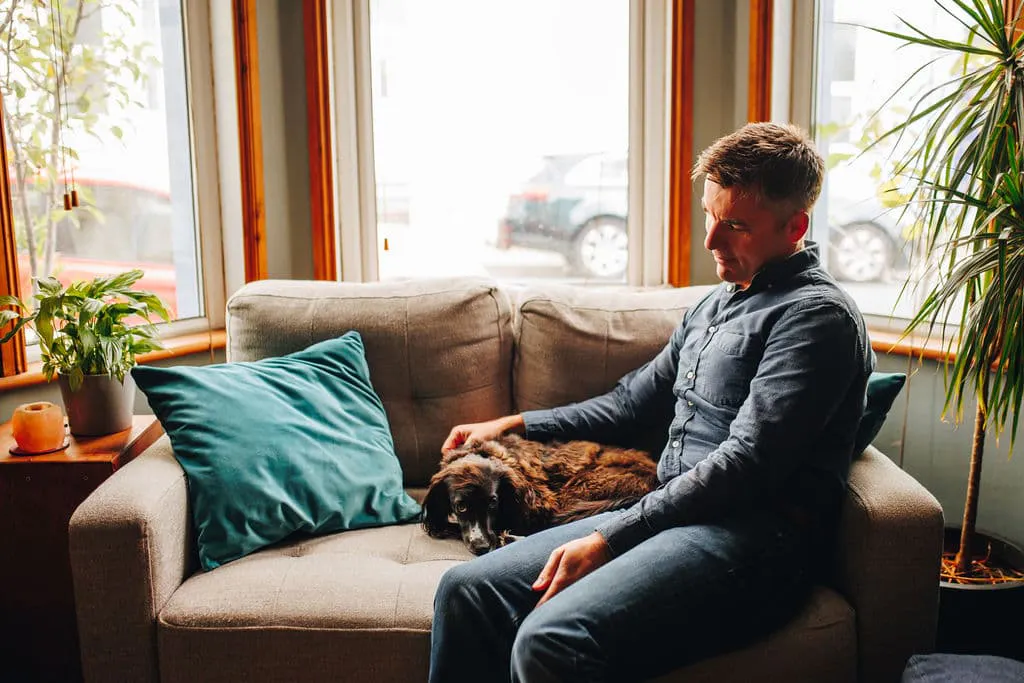
A slightly longer introduction

If you're here, then I’m guessing it might be helpful to read a little more.
I’m a member of the National Counselling and Psychotherapy Society (NCPS), my membership number is NCS24-00125. To hold a professional membership means, among other things, that I adhere to their ethical framework and maintain my continued professional development.
I'm an integrative therapist and hold an Advanced Diploma in Counselling, which means I bring a range of different counselling theories and practices into every session and use these to support you when we work together.
The main disciplines I use are Person-Centred, Gestalt, Cognitive Behavioural Therapy (CBT), and Transactional Analysis (TA).
It’s not important for you to know anything about these modalities. What I encourage everyone to do is to let me know what feels right and what doesn’t. This way I can dial up the practices which work for you, or if an approach doesn’t bear fruit, we can dial that down.
For instance, creative exercises work really well for some people, they make other people want to run for the hills.
Holding a quiet, compassionate silence can allow space for the words you’ve shared, to allow meaning to arrive where it may not have in the past. For others, silence can add pressure to respond, creating a sense of discomfort.
Sharing theory and models can validate what some people are feeling by showing that it’s a universal experience which has been studied and measured. For others, theory can unhelpfully get in the way of their story and shift the dynamic to a teach / student, not equals.
As we work together, I’ll check what is and isn’t working, whether the pace is right for you, and if the direction we’re taking is supporting you in the way you need.
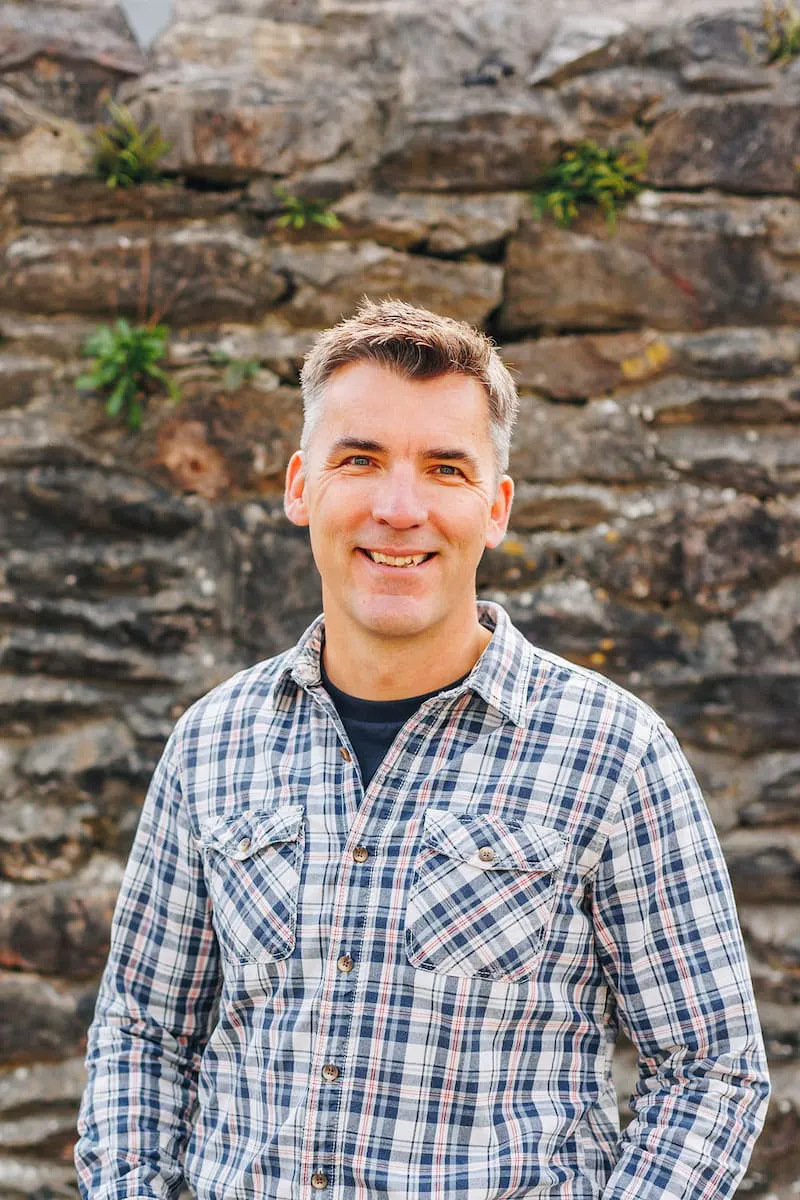
I largely adhere to the practice of avoiding self-disclosure. This means I rarely talk about myself or my personal experiences. I do this because every time I mention myself, I’m taking your time away from the session. I also believe that, deep-down, we know that someone having a similar experience doesn’t mean we feel the same.
There are some rare examples of when I have, but the question I always myself is “will sharing my experience serve you?”.
But ahead of working together it might be helpful to hear how I got here.
The decade before becoming a therapist I spent my time working in the charity sector supporting commercial activities, the parts which generates an income for the organisation.
My role was largely to do with interpreting the trends, being able to articulate these to the teams, then holding a space to support them when the emotional gremlins crept in.
Running a business within a charity can feel harder because of the emotional impact of potential failure. The majority of my work was not in training people to do their job better, but to understand the emotional hurdles which were getting in their way. These hurdles were unique to everyone I worked with. Barely any of us received a positive financial education when we were young, so managing our personal finances is likely to have caused problems as we were learning. The impact of not managing the finances of a charity often weighs heavier for those in management positions.
Working with people to understand this had a bigger, lasting impact on their professional abilities, as well as their confidence to perform their role. It had the added benefit of making them happier in what they did.
I completed the level 2 and 3 counselling courses as a means of some independent learning to support me further in my role working with charity leaders. By the time I’d completed them, I knew that I wanted to continue in this direction so embarked on the 2 year, level 4 course.
That 2 years was not just about learning the theories, but having to unpack a lot of my own stuff. One of the greatest gifts for me was having a group of peers who all became friends, supporting me through a life changing process.
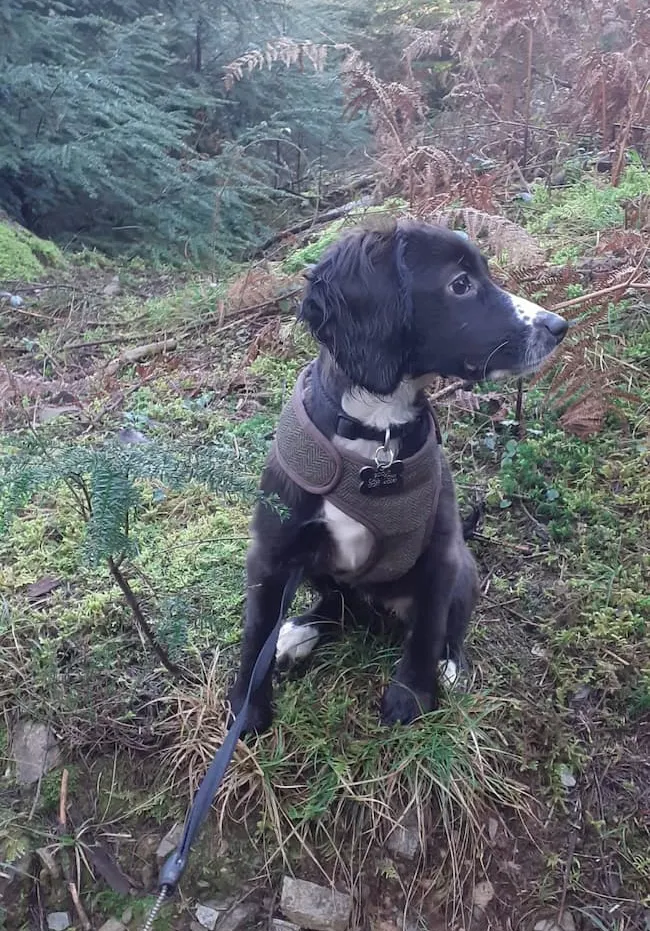
And finally, should it be relevant as to where I stand on the 'Dog or Cat person' debate, meet Scout.
She filled a 30 year, dog shaped hole in my life and completed my family in a way none of us saw coming. If you and I bump into each other outside the office, the likelihood is that Scout and I will be walking somewhere where she can be off her lead, snootling around in the woods.
She is 80% well trained and 20% chaos (which means you will never meet her in the office). And should our paths cross, it will most definitely be at the point where her chaotic side is getting the better of the two of us.